
Green Spaces
Environmental Benefits of Green Spaces
Green spaces support biodiversity, regulate temperature, manage stormwater and improve air quality within urban and peri-urban areas.
By Bornaventure Kwame Takpah ·
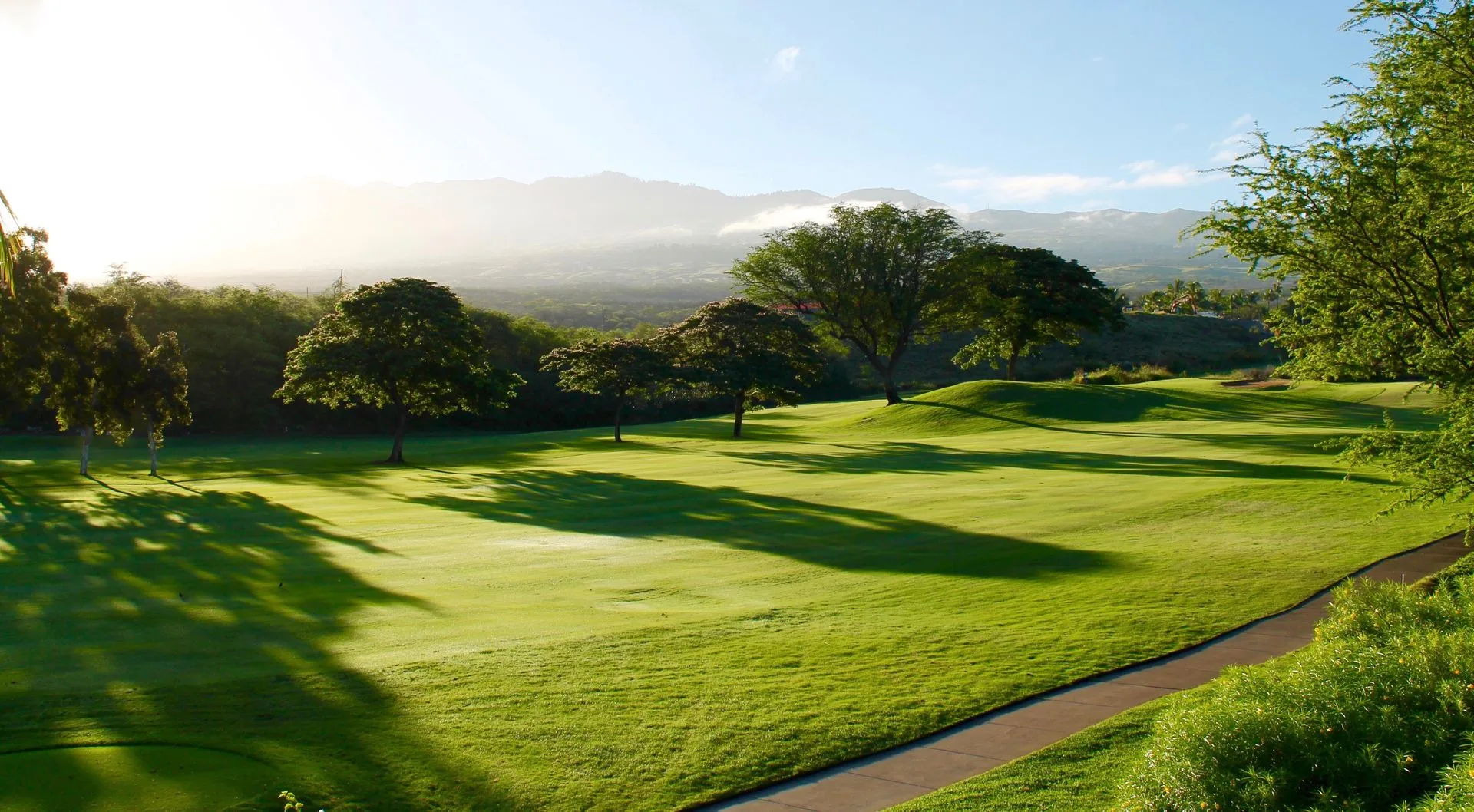
Green spaces provide personal benefits to the people who use them, and they also perform ecological functions that support the wider urban and peri-urban environment.
This article is a companion to Personal Benefits of Green Spaces and focuses on the environmental services that parks, forests, wetlands and other vegetated areas provide.
Supporting biodiversity
Green spaces provide habitat, food and movement corridors for birds, insects, small mammals and plant species within otherwise built-up areas [1], [8].
Even small or fragmented green areas can support species diversity, particularly when connected to larger habitat networks such as forest reserves or river corridors [1], [9].
Regulating temperature
Trees and vegetation cool the surrounding air through shading and evapotranspiration, helping to offset the urban heat island effect associated with paved and built-up surfaces [4], [6].
Urban forests and tree cover can measurably reduce local air temperatures compared with unshaded built environments [2], [4].
Managing stormwater
Vegetation and permeable green surfaces absorb rainfall, reduce surface run-off and slow the flow of water into drainage systems, helping to reduce flood risk in urban areas [1], [6].
Trees, soil and root systems also help filter pollutants from stormwater before it reaches watercourses [2], [3].
Improving air quality
Trees and other vegetation remove particulate matter and certain gaseous pollutants from the air, contributing to improved air quality in urban areas [5], [12].
The scale of this benefit depends on tree species, canopy cover and the density of surrounding vegetation [2], [5].
Urban planning and green infrastructure
Ecosystem services from green spaces are strongest where planning accounts for connectivity, habitat quality and the maintenance of existing tree cover and vegetation [9], [11].
Incorporating green infrastructure into urban planning can help cities adapt to climate pressures while supporting biodiversity and public health [3], [12].
Protecting green spaces
Continued urban expansion places pressure on existing green areas. Protecting and expanding green infrastructure supports climate resilience, biodiversity and the long-term environmental health of towns and cities.
Read more about the personal benefits of green spaces that these environmental services make possible.
- Green Spaces
- Biodiversity
- Urban Environment
- Air Quality
- Climate Resilience
- Stormwater Management
References
- N. B. Grimm, S. H. Faeth, N. E. Golubiewski, C. L. Redman, J. Wu, X. Bai and J. M. Briggs, "Global change and the ecology of cities," Science, vol. 319, no. 5864, pp. 756–760, 2008. https://doi.org/10.1126/science.1150195
- D. Nowak and J. Dwyer, "Understanding the benefits and costs of urban forest ecosystems," in Urban and Community Forestry in the Northeast, Springer, 2007, pp. 25–46. https://doi.org/10.1007/978-1-4020-4289-8_2
- S. Bonan, "Forests and climate change: forcings, feedbacks, and the climate benefits of forests," Science, vol. 320, no. 5882, pp. 1444–1449, 2008. https://doi.org/10.1126/science.1155121
- T. R. Oke, "The energetic basis of the urban heat island," Quarterly Journal of the Royal Meteorological Society, vol. 108, no. 455, pp. 1–24, 1982. https://doi.org/10.1002/qj.49710845502
- D. J. Nowak, D. E. Crane and J. C. Stevens, "Air pollution removal by urban trees and shrubs in the United States," Urban Forestry & Urban Greening, vol. 4, no. 3-4, pp. 115–123, 2006. https://doi.org/10.1016/j.ufug.2006.01.007
- C. C. Konijnendijk, R. M. Ricard, A. Kenney and T. B. Randrup, "Defining urban forestry – A comparative perspective of North America and Europe," Urban Forestry & Urban Greening, vol. 4, no. 3-4, pp. 93–103, 2006. https://doi.org/10.1016/j.ufug.2005.11.003
- A. P. Dobson, A. D. Bradshaw and A. J. M. Baker, "Hopes for the future: restoration ecology and conservation biology," Science, vol. 277, no. 5325, pp. 515–522, 1997. https://doi.org/10.1126/science.277.5325.515
- D. A. Puplampu and Y. A. Boafo, "Exploring the impacts of urban expansion on green spaces availability and delivery of ecosystem services in the Accra metropolis," Environmental Challenges, vol. 5, article 100283, 2021. https://doi.org/10.1016/j.envc.2021.100283
- D. Okpala, "Regional Overview of the Status of Urban Planning and Planning Practice in Anglophone Sub-Saharan African Countries," prepared for Revisiting Urban Planning: Global Report on Human Settlements 2009, 2009. http://www.unhabitat.org/grhs/2009
- World Health Organization, "Urban Green Spaces and Health: A Review of Evidence," WHO Regional Office for Europe, 2016. https://www.who.int/europe/publications/i/item/WHO-EURO-2016-3352-43111-60341