
Environmental Education
Acting on Climate
An environmental education session at Sigri R/C Junior High School introduced students to ecosystem relationships, biodiversity, tree loss and low-cost seedling production.
By Bornaventure Kwame Takpah ·
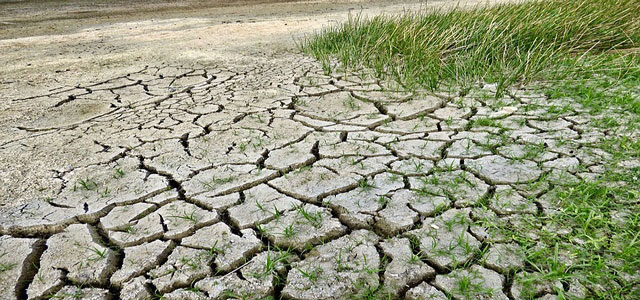
The Upper West Region experiences a long dry season and high temperatures, making communities and ecosystems particularly exposed to changing climatic conditions. Tree cutting for charcoal and fuelwood also places pressure on the region’s limited vegetation.
During an environmental education visit to Sigri R/C Junior High School in the Jirapa District, approximately 150 pupils participated in discussions about ecosystems, environmental change and the responsibilities of individuals and communities.
Understanding ecosystems
The session introduced an ecosystem as a system comprising living organisms and the non-living environment with which those organisms interact. Students identified different components of their local ecosystem and discussed the relationships among plants, animals, sunlight, water, soil and people.
The ecosystem web activity
Fifteen students represented different elements of an ecosystem, including the sun, forests, birds and other animals. A rope connected the participants to form a web representing ecological relationships.
Elements were gradually removed from the web to illustrate how species loss can weaken ecological relationships and affect the functioning of an ecosystem. The activity helped students examine why individual species and environmental components are important to ecosystem stability.
Tree cutting and charcoal production
The discussion also considered tree cutting and charcoal production in the Upper West Region. Students examined how repeated tree removal without replacement can reduce vegetation cover and affect ecosystems, soils and local livelihoods.
Low-cost seedling production
Students were introduced to a simple approach for establishing backyard nurseries using locally available materials and reused plastic containers. They were encouraged to raise seedlings and care for them before transplantation.
The session concluded with questions and contributions from participating students. Pens and other materials were presented to final-year students and participants who contributed to the discussion.
- Climate Change
- Ecosystems
- Environmental Education
- Tree Planting
- Youth Engagement
- Upper West Region