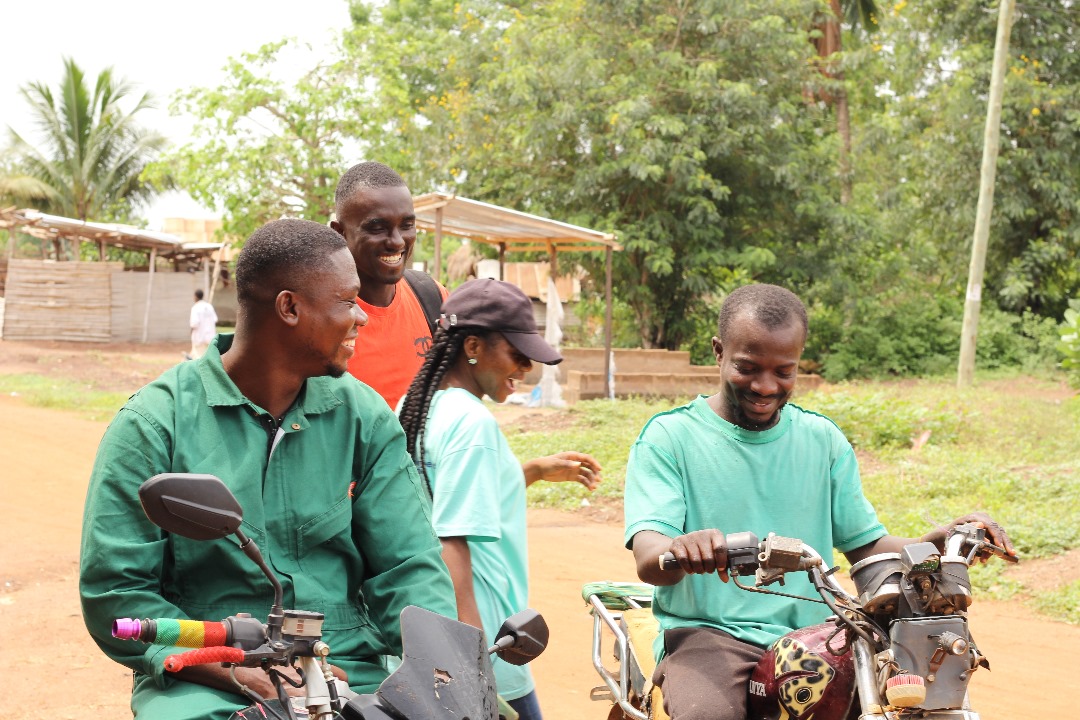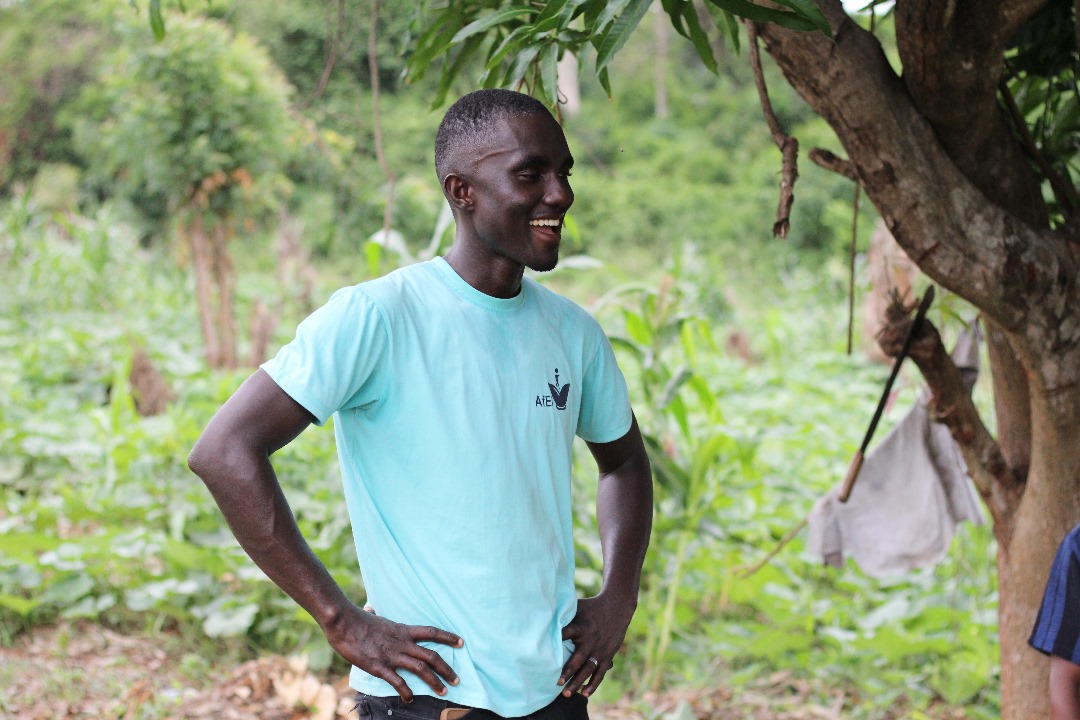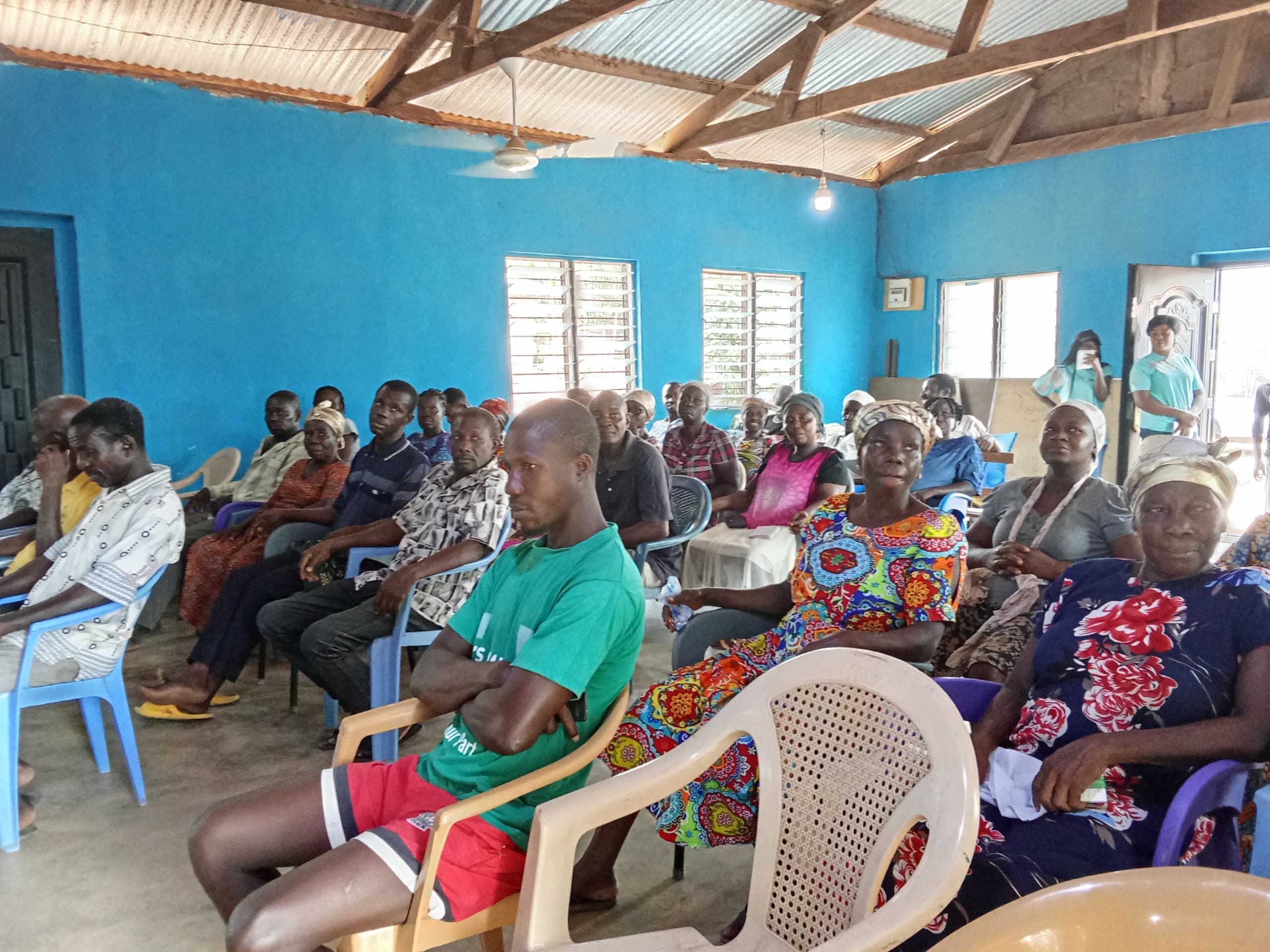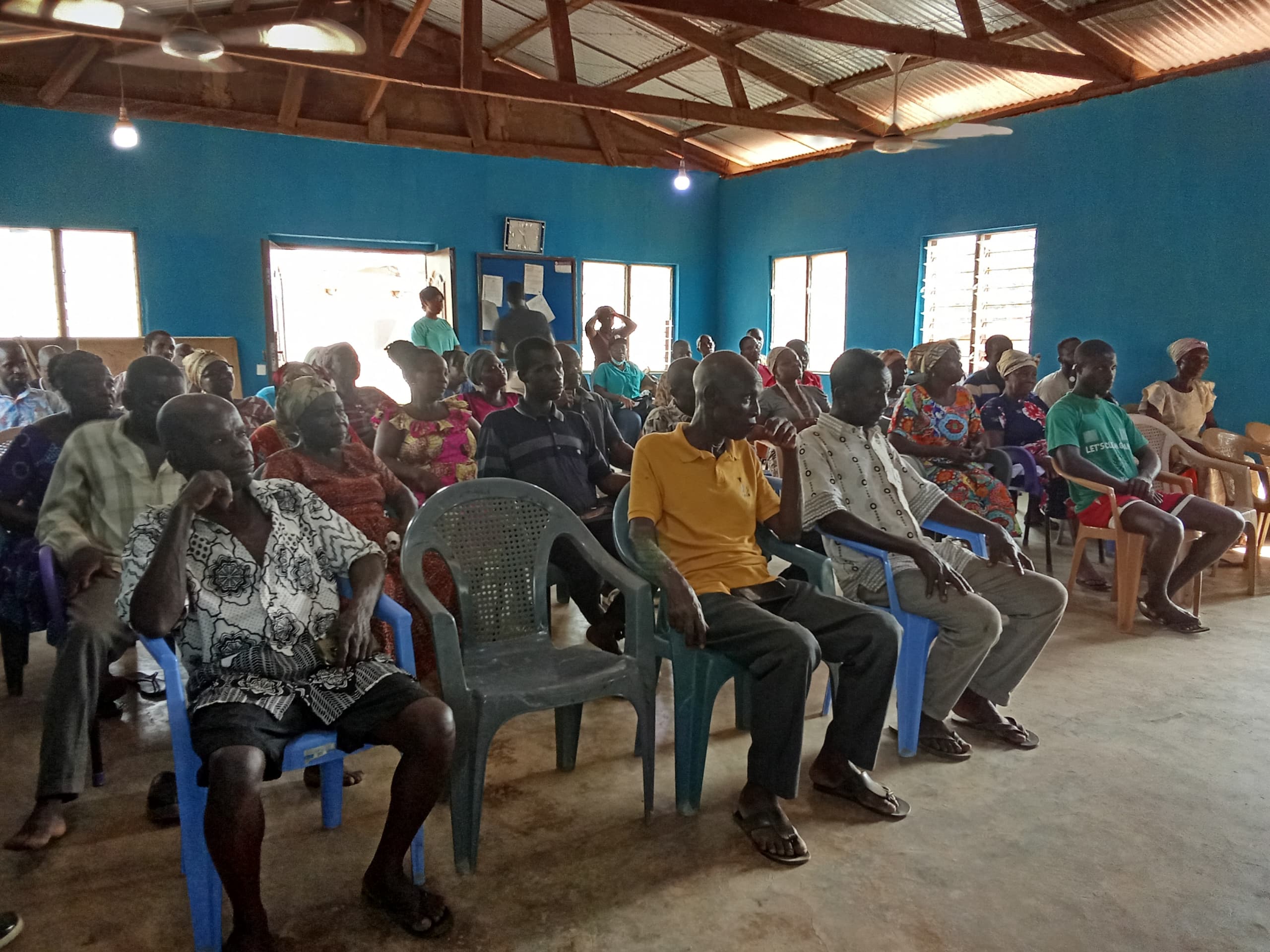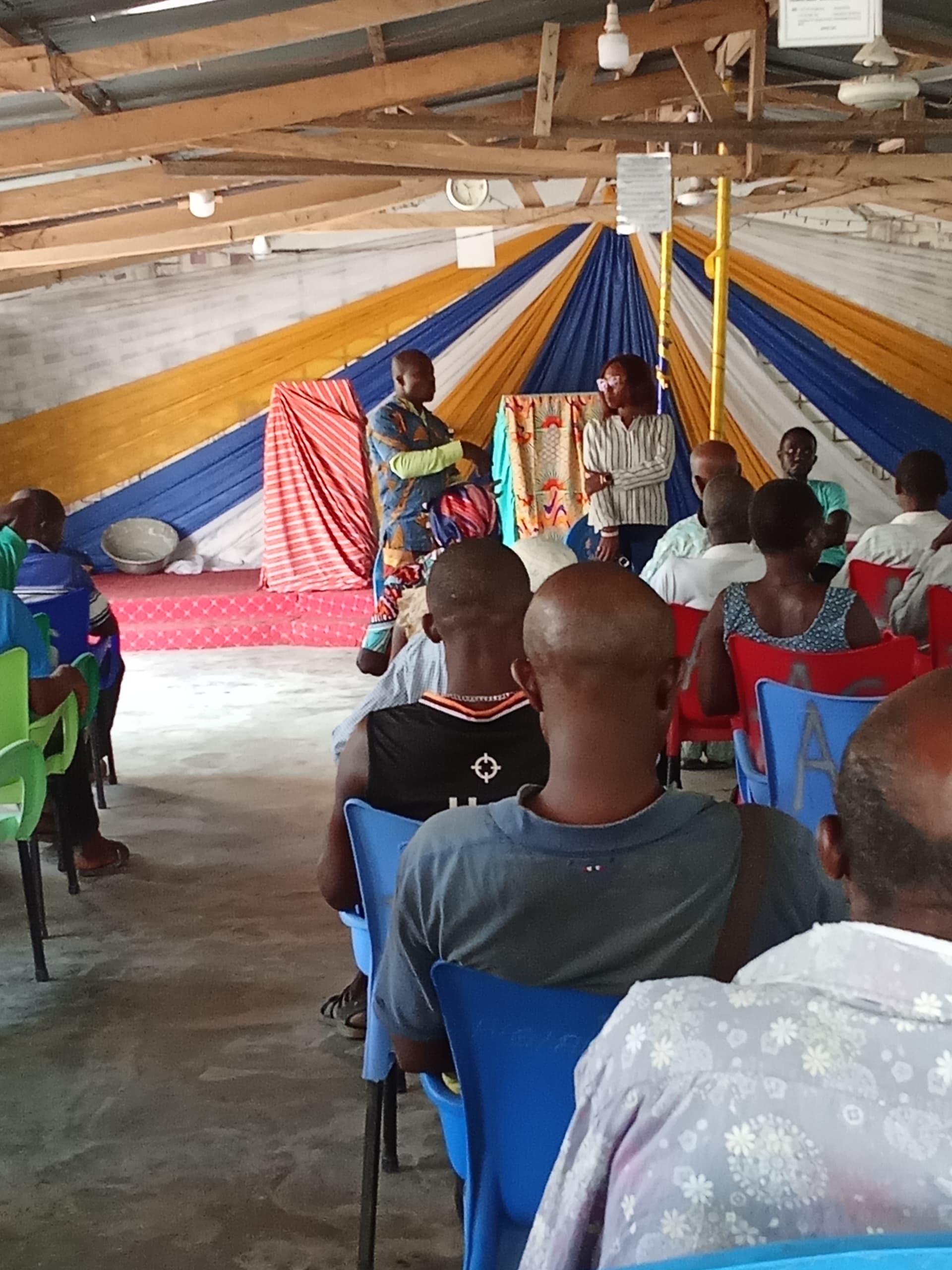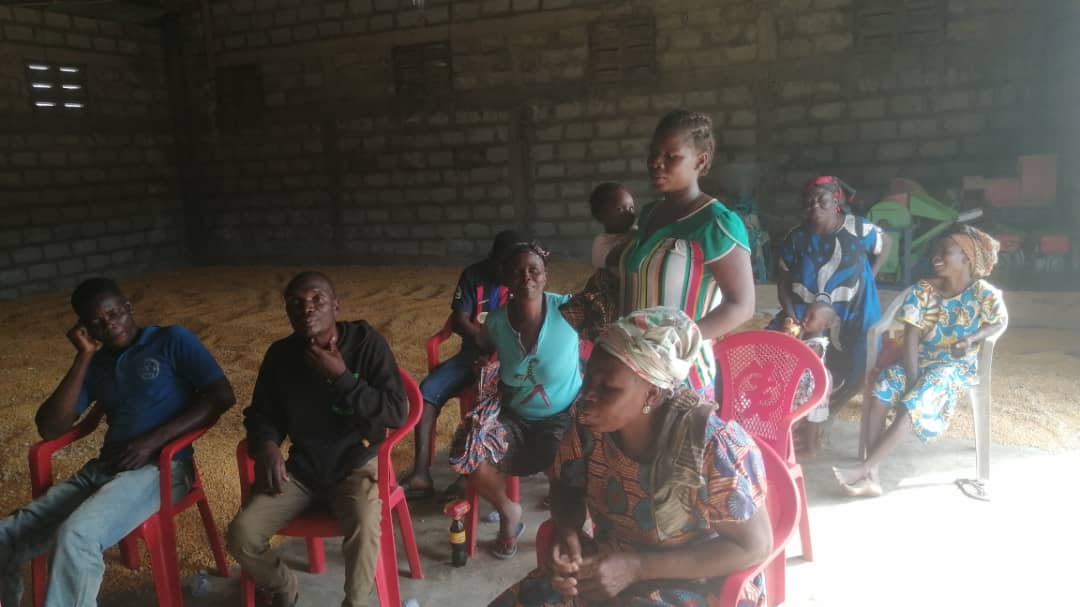
The Adaptive Farmer Project project was implemented in the Asuogyamang District of Ghana’s Eastern Region by the Alliance for Environmental Intervention and the Ghana Youth Environmental Movement, with support from district extension officers. It was funded by the Gower Street Foundation
Why this project
Smallholder farmers in Asuogyamang face unpredictable weather, declining soil fertility, limited extension support, pests and diseases, and market and credit constraints. The project set out to build farmer capacity with practical Climate Smart Agriculture practices, strengthen community ownership, and support lasting behavior change.
What we set out to do:
- Build the capacity of implementing teams to deliver Climate Smart Agriculture training with strong facilitation and inclusive engagement skills.
- Work with communities to co-design activities through preliminary visits and focus group discussions.
- Train farmers in practical, regenerative techniques that improve soil health, productivity, and resilience.
- Provide essential tools and inputs so farmers can apply what they learn.
- Monitor adoption and use lessons to improve support and scale what works.
How we implemented it
Team capacity building: Hybrid sessions aligned goals, strengthened coordination, and prepared facilitators in CSA content, inclusive engagement, and team motivation.
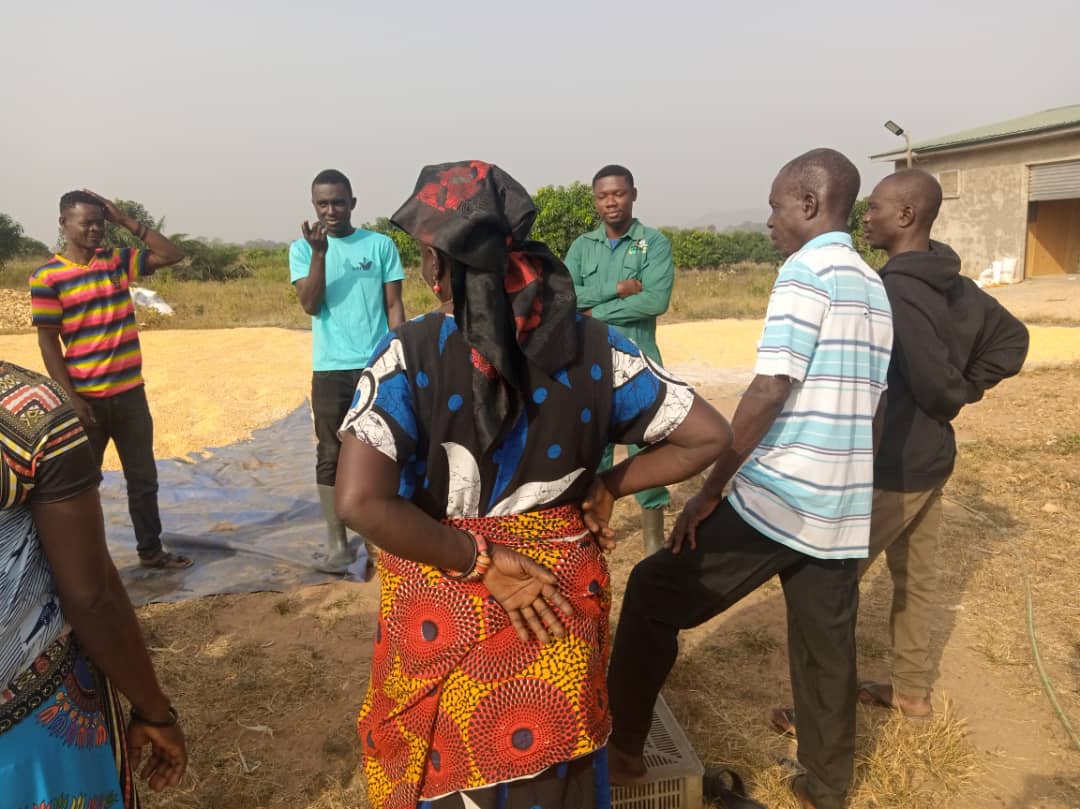
Preliminary visits: Community entry in Asikuma and Kawnyarko introduced the project, mobilized farmers, and gathered early insights while emphasizing shared ownership.
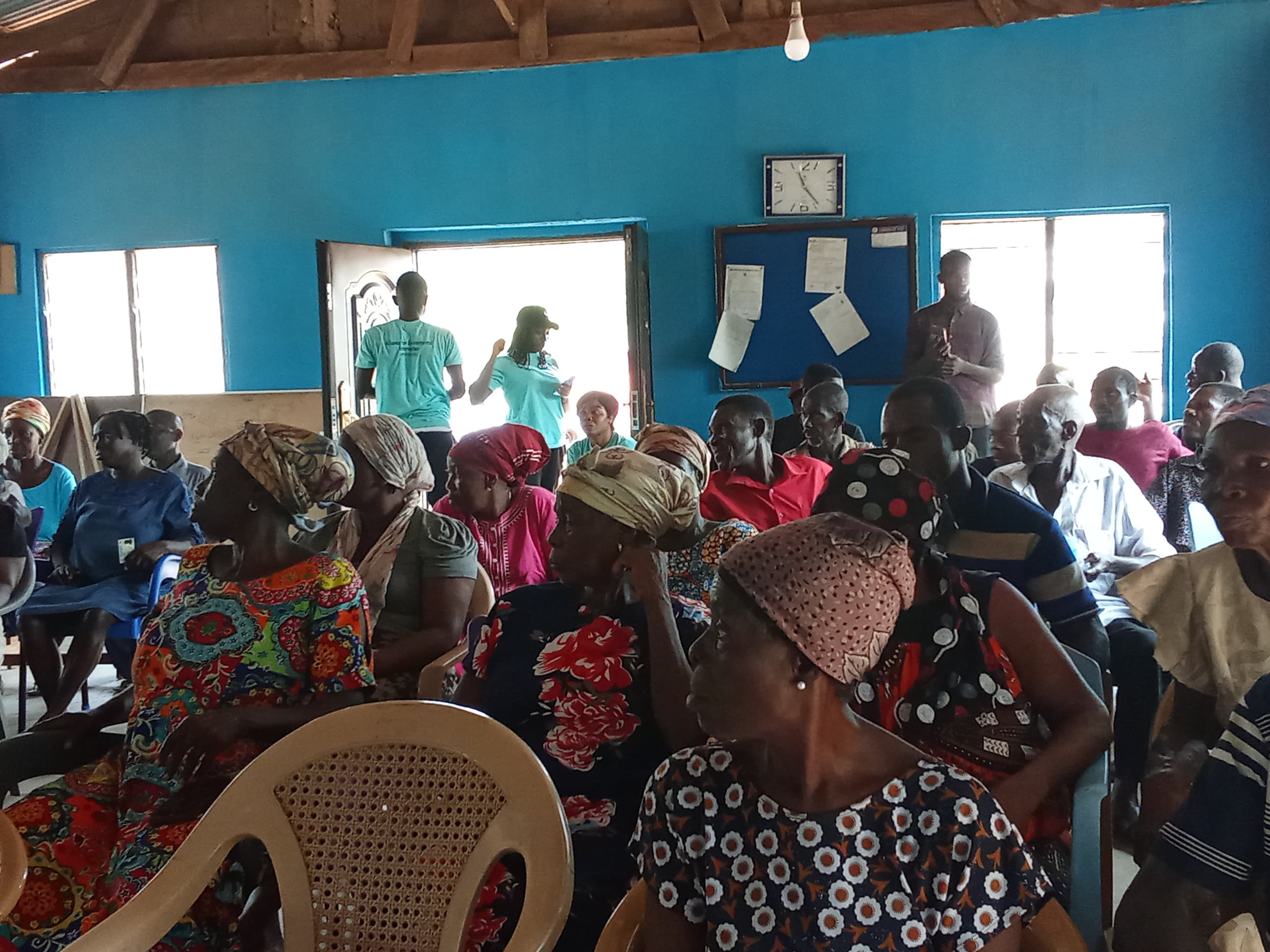
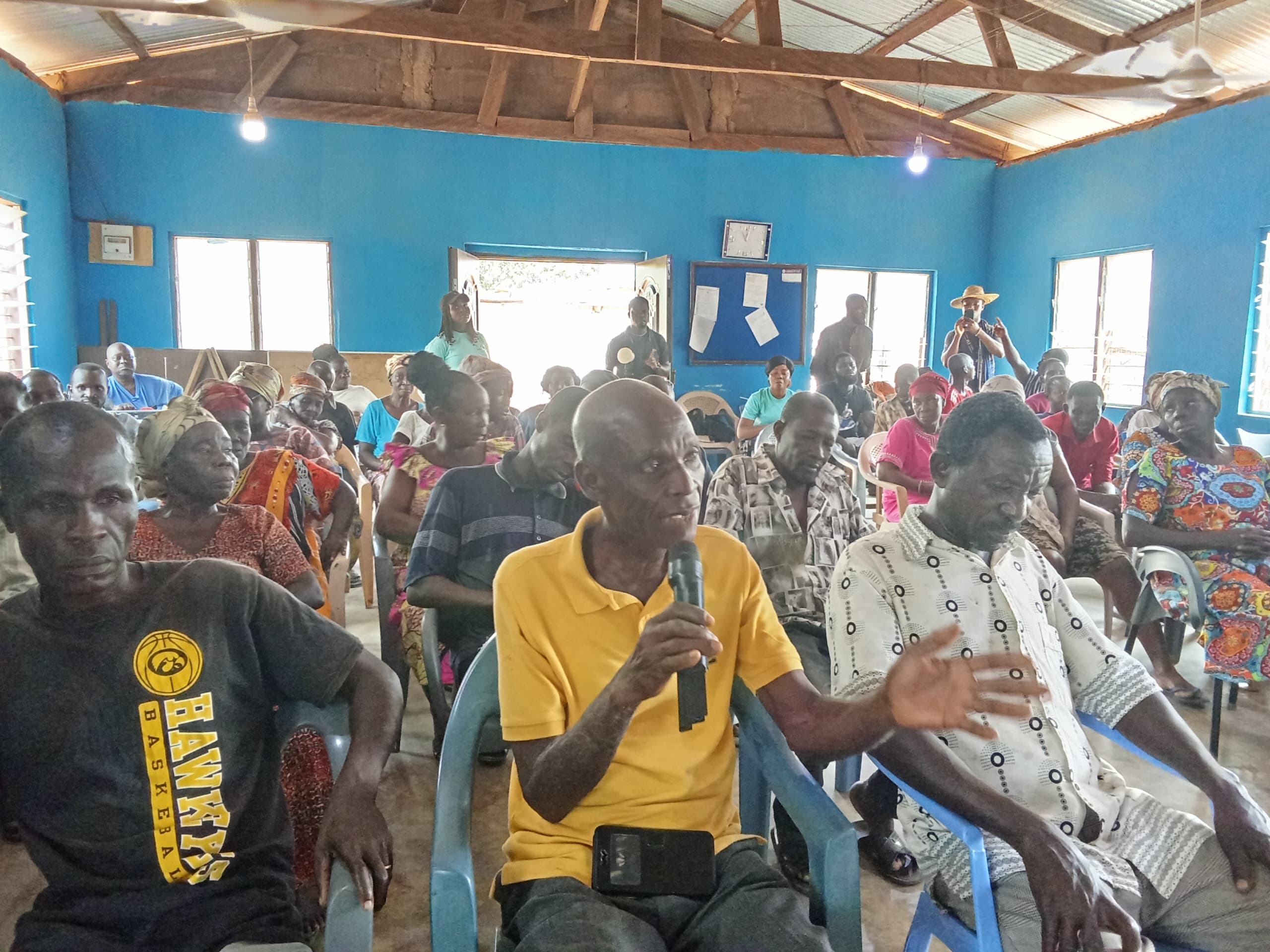
Focus group discussions: Farmers identified key challenges including erratic rainfall, soil fertility decline, limited markets and credit, inadequate extension, and pest and disease pressures. These insights shaped training design and built trust and ownership.
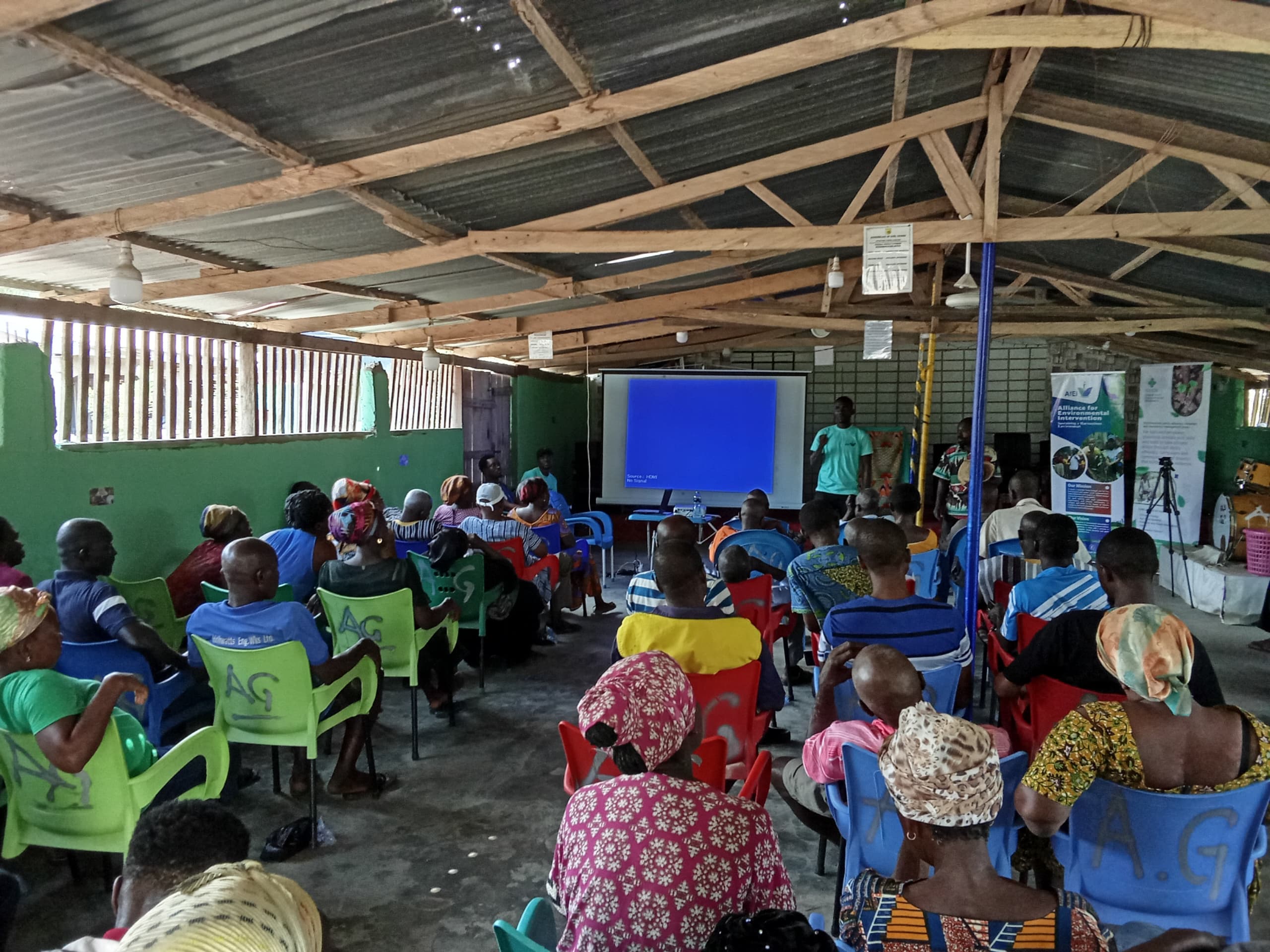
CSA trainings: Practical, interactive sessions covered minimal soil disturbance, soil cover, indigenous seeds, compost and bio-stimulants, multispecies cover crops, crop rotations, and integrated land preparation. Farmers connected practices to both adaptation and mitigation benefits and expressed interest in forming learning groups.
Resource distribution: Each participant received a cutlass. Selected groups, especially women, received maize, chicken manure, and cover crop seeds such as cream mucuna, bush mucuna, and canavalia. Incentives recognized farmers who practiced slash-not-burn.